
• About
  • Privacy & Policy
  • Contact
Tick Flow
Advertisement
  • Mindset
  • Market Behaviour
  • Indicators
  • Tools
    • Trade Simulator
    • Lot Size Calculator
    • TradingView
No Result
View All Result
  • Mindset
  • Market Behaviour
  • Indicators
  • Tools
    • Trade Simulator
    • Lot Size Calculator
    • TradingView
No Result
View All Result
Tick Flow
No Result
View All Result

How to Read Candlestick Patterns in Context

by DukeOnTheCharts
in Market Behaviour, Price Action
How to Read Candlestick Patterns in Context

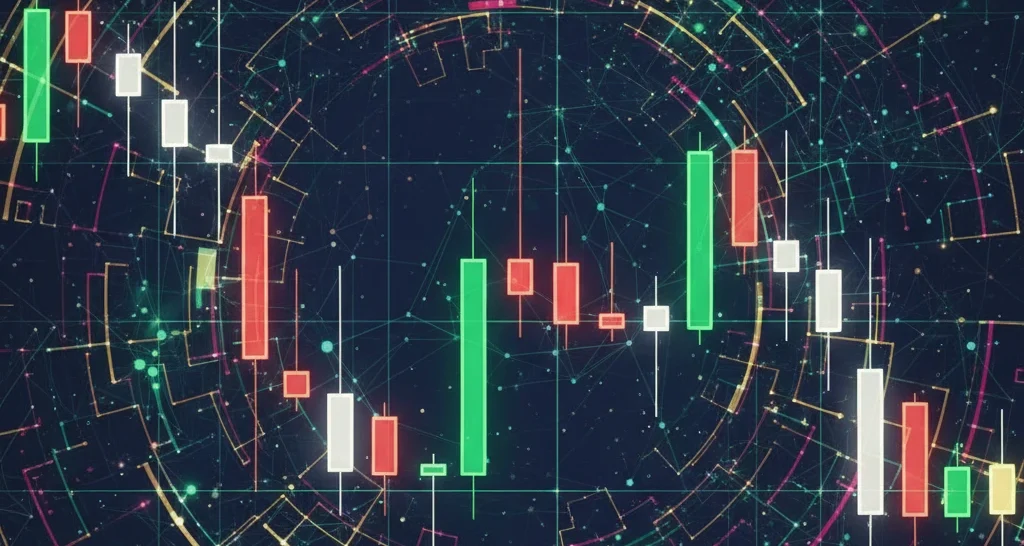
Many sources present candlestick patterns as mystical signals that predict market moves. In reality, traders should view them as visual representations of market psychology and price action. Recognizing what these patterns reflect can improve analytical skills without implying specific trades.

What Candlestick Patterns Represent

Each candlestick shows how buyers and sellers interact over a defined time period. The open, high, low, and close prices reveal whether momentum favored buyers, sellers, or remained balanced. Patterns such as dojis, hammers, or engulfing candles indicate changes in sentiment, but they cannot guarantee a future direction.

Observing multiple candlesticks together illustrates market behaviour, including periods of consolidation, indecision, or strong trends. Traders can use these patterns to study market interactions for educational purposes rather than as instructions to act.

Reading Patterns in Market Context

Candlestick patterns provide the most insight when interpreted alongside the broader market environment. For example, a hammer at a key support level may reflect buying interest, while a doji in the middle of a trend can indicate temporary indecision.

By considering context such as trend direction, volatility, and nearby support or resistance, traders can interpret what the patterns represent in real-time price action. This approach focuses on observation, helping traders understand momentum and sentiment without making predictions.

Common Misconceptions

Many traders mistakenly treat a single candlestick or pattern as a reliable signal. Even classic formations like engulfing candles or morning stars should serve as examples of market psychology, not guarantees of reversals or continuations. Traders can study patterns as part of a broader framework for understanding market behaviour rather than as triggers for decisions.

Using Candlestick Patterns for Learning

Candlestick patterns reveal how traders respond to price changes. Comparing patterns across different timeframes illustrates how sentiment evolves. Observing these formations alongside indicators such as MACD or RSI can provide educational insight into market dynamics.

For a deeper understanding of momentum indicators, check out our post on RSI.

Key Takeaways

Candlestick patterns reflect market sentiment and price behaviour. Traders can use them as educational tools to observe trends, momentum, and potential turning points without implying specific actions. Studying these patterns in context enhances analytical skills and lays a foundation for learning broader market behaviour safely.


Trading financial markets involves risk and may not suit all investors. Tick Flow content is for educational purposes only and does not constitute financial advice. Past performance does not indicate future results. Nothing in this article should be considered a recommendation to trade or invest.

ShareTweet
Previous Post

MACD Explained: Momentum Over Signals

Next Post

Volatility Regimes Explained for Traders

Next Post
Volatility Regimes Explained for Traders

Volatility Regimes Explained for Traders

  • Trending
  • Comments
  • Latest
Why Trading Simulators Help Traders Understand Risk, Probability, and Losing Streaks

Why Trading Simulators Help Traders Understand Risk, Probability, and Losing Streaks

December 30, 2025
Why Trading Is a Game of Probabilities, Not Predictions

Why Trading Is a Game of Probabilities, Not Predictions

December 30, 2025
Why Consistency Feels Harder Than It Actually Is

Why Consistency Feels Harder Than It Actually Is

December 30, 2025
How Moving Averages Really Work

How Moving Averages Really Work

January 15, 2026
Understanding Support and Resistance Levels

Understanding Support and Resistance Levels

4
RSI Explained: Momentum, Not Overbought and Oversold

RSI Explained: Momentum, Not Overbought and Oversold

3
Why Consistency Feels Harder Than It Actually Is

Why Consistency Feels Harder Than It Actually Is

2
Why Indicators Don’t Predict Price (And What They’re Actually Useful For)

Why Indicators Don’t Predict Price (And What They’re Actually Useful For)

2
Market Behaviour Across Timeframes

Market Behaviour Across Timeframes

March 4, 2026
How Moving Average Crossovers Provide Context

How Moving Average Crossovers Provide Context

March 2, 2026
Understanding Overtrading and Psychology

Understanding Overtrading and Psychology

February 7, 2026
Market Behaviour During High Volatility Periods

Market Behaviour During High Volatility Periods

February 4, 2026
  • About
  • Privacy & Policy
  • Contact
Some links on this page may be affiliate links. This means we may earn a commission at no additional cost to you.

© 2025 Tick Flow. All rights reserved. The information and tools on this website are provided for educational and informational purposes only and do not constitute financial, investment, or trading advice. Tick Flow does not provide personalized recommendations, and any opinions expressed are general in nature and intended to support learning and discussion. Trading and investing involve significant risk, and you are solely responsible for your own decisions. Always conduct your own research before making any financial decisions. The tools provided, including the Trade Simulator, are for practice and educational use only and do not involve real-money trading. Tick Flow is not authorized or regulated by the Financial Conduct Authority (FCA) and this website does not constitute an offer or solicitation to buy or sell any financial instrument.

Welcome Back!

Login to your account below

Forgotten Password?

Retrieve your password

Please enter your username or email address to reset your password.

Log In
No Result
View All Result
  • Mindset
  • Market Behaviour
  • Indicators
  • Tools
    • Trading Simulator
    • TradingView
    • Lot Size Calculator

© 2025 Tick Flow. All rights reserved. The information and tools on this website are provided for educational and informational purposes only and do not constitute financial, investment, or trading advice. Tick Flow does not provide personalized recommendations, and any opinions expressed are general in nature and intended to support learning and discussion. Trading and investing involve significant risk, and you are solely responsible for your own decisions. Always conduct your own research before making any financial decisions. The tools provided, including the Trade Simulator, are for practice and educational use only and do not involve real-money trading. Tick Flow is not authorized or regulated by the Financial Conduct Authority (FCA) and this website does not constitute an offer or solicitation to buy or sell any financial instrument.

We use cookies to ensure the proper functioning of this website and to enhance your experience. By continuing to use this site, you consent to our use of cookies. For more information, please see our Privacy and Cookie Policy.